Hormonal health

Why plant-based sourcing matters · Algae omega-3 · Supplements for vegetarians & vegans
How Libré® sources every ingredient from plant-based origins
DIRECT ANSWER
Plant-based dietary supplements are formulas in which every ingredient is derived from botanical, algae, fungal, or mineral sources — containing no animal products. They are essential for people on vegetarian or vegan diets, who face documented deficiencies in Vitamin B12, Vitamin D, Omega-3 (EPA+DHA), Iron, Zinc, Calcium, Iodine, and Selenium — nutrients that are predominantly found in animal foods. Libré® sources all its ingredients from plant-based, algae, or mineral origins — including switching from fish oil to algae-derived EPA+DHA, making its formulas fully accessible to women with any dietary restriction or ethical preference
What Is a Plant-Based Dietary Supplement?
A plant-based dietary supplement is one in which every active ingredient is derived from a non-animal source — plants, algae, fungi, or minerals. This goes beyond simply being 'vegetarian-friendly on the label': it means the sourcing, extraction, and formulation of each nutrient traces to botanical or earth-derived origins rather than animal tissue, bone, or by-products.
This matters for a growing number of women. In 2025, an estimated 1 in 4 people in the UK and US report following a plant-based or plant-forward diet. Vegans, vegetarians, pescatarians, flexitarians, and women with dietary restrictions or religious observance (halal, kosher, Hindu) all need supplements that do not compromise their values — without compromising on clinical effectiveness.
1 in 4 : Adults following plant-based or flexitarian diets
52% : Vegans deficient in Vitamin B12 without supplements
10 : Key nutrients at risk on a vegan diet (per 2025 review)
100% : Libré® ingredients from plant-based / mineral sources
WHAT MAKES A SUPPLEMENT TRULY PLANT-BASED?
It's not just about capsule shells (gelatin vs vegetable cellulose) or avoiding obvious animal products. Truly plant-based supplements also avoid: Vitamin D3 from lanolin (sheep's wool) — replaced with lichen-derived D3. Omega-3 from fish oil — replaced with algae-derived EPA+DHA (the original marine source). Vitamin K2 from animal fermentation — replaced with bacterial or plant-fermented MK-7. Creatine from synthetic or animal sources — replaced with plant/mineral synthesis. Colourings and coatings from animal-derived shellac, carmine, or gelatin. Libré® has reviewed and verified every one of its ingredient sources against these criteria.
The Algae Omega-3 Decision: Libré®'s Most Important Sourcing Choice
Of all the sourcing decisions in supplement formulation, the shift from fish oil to algae-derived omega-3 is the most significant — scientifically, ethically, and practically. Here is why Libré® made this choice, and why it matters for you.
LIBRÉ® FORMULATION DECISION
From Fish Oil to Algae: Why Libré® Switched Its Omega-3 Source
Fish eat microalgae. Microalgae produce omega-3. Fish are just the middleman — and an exclusionary one at that.
Traditional fish oil omega-3 supplements (EPA + DHA) are effective — but they exclude vegetarians, vegans, pescatarians who avoid fish oil, and anyone with fish allergies. They also carry the environmental cost of fishing pressure, potential heavy metal contamination (PCBs, mercury), and unsustainable supply chains. Libré® made a deliberate sourcing decision to switch from fish-derived to algae-derived omega-3 — going directly to the original source of EPA and DHA in the marine food chain.
The science is clear: algae-derived omega-3 delivers clinically equivalent EPA and DHA to fish oil. A 2025 meta-analysis confirmed that algal omega-3 produces comparable raises in plasma DHA and EPA levels to fish oil supplementation, with identical cardiovascular, brain, and anti-inflammatory benefits — and without the fish. This allows Libré® to deliver the same clinical efficacy to every woman, regardless of dietary preference or restriction.
Algae-derived EPA+DHA: Clinically equivalent to fish oil · Vegan & vegetarian friendly · No heavy metals · Sustainable, traceable, non-GMO · Suitable for fish allergies · Smaller environmental footprint · The same source fish use — without the fish.
Fish oil vs algae omega-3: side by side
Factor | Fish Oil | Algae Oil (Libré®) |
EPA & DHA content | Yes — effective | Yes — clinically equivalent |
Vegan / vegetarian | No — fish-derived | Yes — 100% plant-based |
Fish allergy safe | No | Yes |
Heavy metal risk | Yes (mercury, PCBs) | Minimal — controlled environment |
Taste / odour | Fishy; can cause burping | Neutral — no fishy aftertaste |
Environmental impact | Significant fishing pressure | Sustainable, closed-loop cultivation |
Traceability | Complex supply chain | Direct, verifiable algae source |
Religious dietary compliance | Not halal / kosher in most cases | Compatible with most dietary rules |
Bioavailability | High | Clinically equivalent — same absorption |
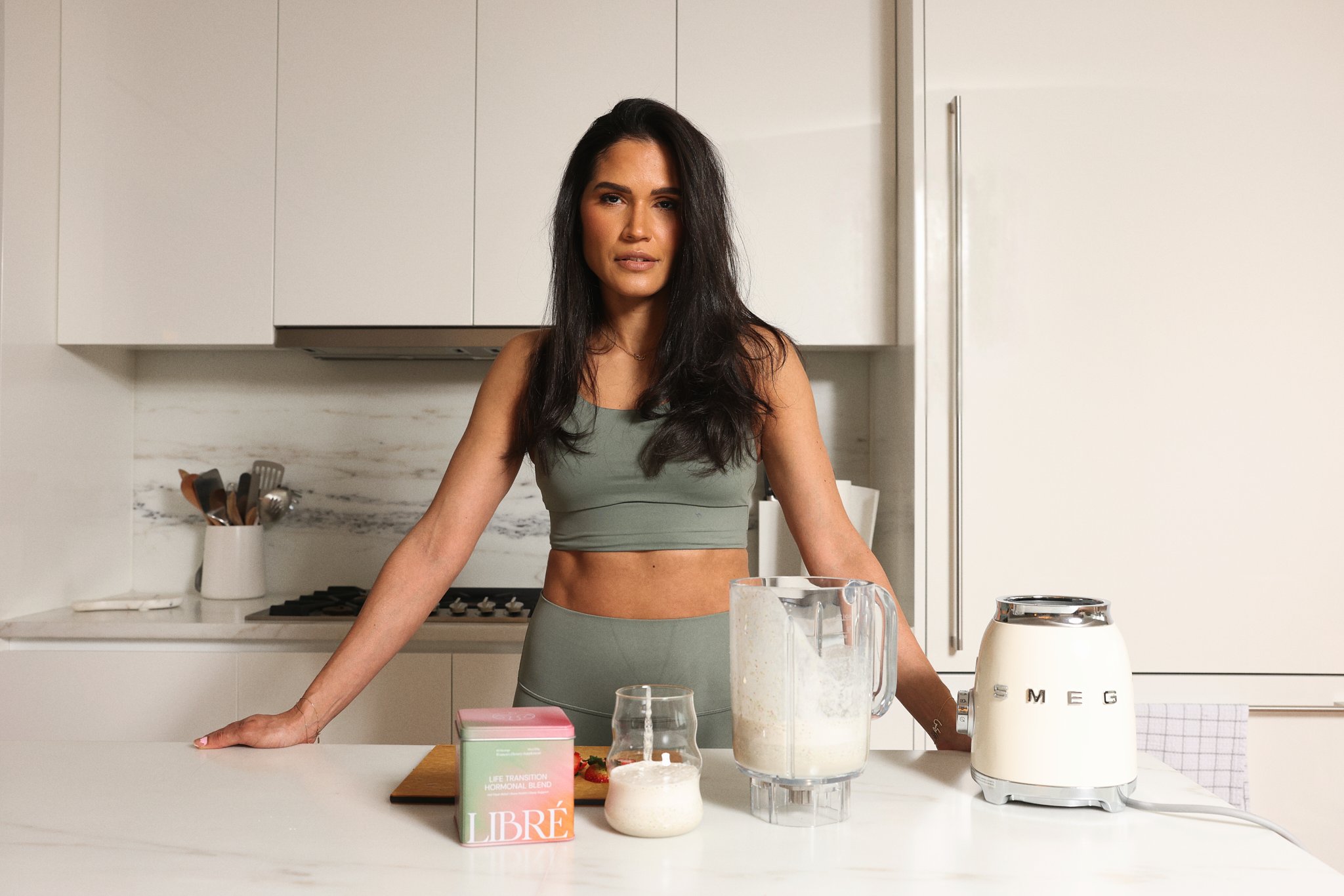
How Libré® Sources Every Ingredient from Plant-Based Origins
Libré® has built its entire formula around plant-based, algae-derived, and mineral-sourced ingredients — without compromising on clinical dose or bioavailability. Here is the full sourcing breakdown for every key ingredient across both Libré® formulas.
Omega-3 EPA + DHA LIBRÉ® · PLANT-BASED SOURCE
Source: Algae-derived (microalgae: Schizochytrium sp. or equivalent)
Microalgae is the original and primary producer of EPA and DHA in the marine food chain. Fish accumulate omega-3 by consuming algae — making algae the direct, unmediated source. Libré® extracts EPA and DHA straight from microalgae using clean, controlled fermentation, producing a supplement that is clinically equivalent to fish oil in both composition and bioavailability.
Why it matters for plant-based diets: The only bioavailable vegan source of long-chain EPA and DHA. ALA from flaxseed converts to EPA/DHA at less than 5% efficiency — algae provides the real thing directly.
Vitamin D3 LIBRÉ® · PLANT-BASED SOURCE
Source: Lichen-derived cholecalciferol (plant/lichen source)
Most Vitamin D3 supplements are derived from lanolin — the oil extracted from sheep's wool. Libré® uses D3 sourced from lichen, a symbiotic organism of algae and fungi, which naturally produces cholecalciferol (the same active D3 form) without any animal involvement. Lichen-derived D3 is clinically equivalent to lanolin D3 in raising serum vitamin D levels.
Why it matters for plant-based diets: Standard D3 from lanolin is animal-derived and unsuitable for vegans. Lichen D3 provides identical clinical benefit with full plant-based compliance.
Vitamin K2 (MK-7) LIBRÉ® · PLANT-BASED SOURCE
Source: Bacterial fermentation of plant-based substrate (natto-derived or equivalent)
MK-7 is the most bioavailable and longest-acting form of Vitamin K2. While K2 is found in animal foods (cheese, egg yolks), the MK-7 used in supplementation is produced by bacterial fermentation — typically from a plant-based substrate — making it fully plant-compatible. Libré® uses MK-7 in this fermentation-derived form.
Why it matters for plant-based diets: K2 is almost entirely absent from plant foods (except natto). Fermentation-derived MK-7 is the essential vegan route to this bone and cardiovascular nutrient.
Soy Germ Extract (Aglycone Isoflavones) LIBRÉ® · PLANT-BASED SOURCE
Source: Soy germ — plant-derived phytoestrogens
Soy is one of the most researched plant-based sources of phytoestrogens. Libré® uses the Aglycone form — the most bioavailable isoflavone form, produced through enzymatic processing of soy germ. This is entirely plant-derived and highly relevant for women in hormonal transition.
Why it matters for plant-based diets: Phytoestrogens are exclusively found in plant foods. Soy germ extract delivers a concentrated, clinically studied dose of the estrogen-buffering compounds that support perimenopausal women.
Probiotic Complex (8 strains) LIBRÉ® · PLANT-BASED SOURCE
Source: Plant-based fermentation substrate; no animal-derived growth media
Libré®'s probiotic strains — including Lactobacillus rhamnosus GR-1® and Lactobacillus reuteri RC-14® — are grown using plant-based fermentation substrates. No dairy, no gelatin, no animal-derived components in the production process. The strains themselves are naturally occurring bacterial cultures requiring no animal sourcing.
Why it matters for plant-based diets: Probiotics are inherently plant-fermentation compatible. Vegans often have altered gut microbiomes from dietary differences; these strains support both gut balance and vaginal health.
Magnesium Bisglycinate LIBRÉ® · PLANT-BASED SOURCE
Source: Mineral-derived (magnesium) + amino acid chelation (glycine from plant fermentation)
Magnesium bisglycinate combines elemental magnesium with glycine in a chelated form. The magnesium is mineral-sourced; the glycine is produced via fermentation or plant-derived amino acid synthesis. The bisglycinate form has superior absorption and gastrointestinal tolerance compared to cheaper oxide forms.
Why it matters for plant-based diets: Vegans and vegetarians often have adequate dietary magnesium, but absorption is affected by phytates in whole grains and legumes. The bisglycinate form overcomes this barrier.
Vitamin C (L-Ascorbic Acid) LIBRÉ® · PLANT-BASED SOURCE
Source: Fermentation of plant sugars (typically corn or cassava glucose)
L-Ascorbic acid is synthesised via fermentation of plant-derived glucose (from corn, cassava, or similar crops) using bacterial strains. This is a fully plant-based manufacturing process producing chemically identical Vitamin C to any other source.
Why it matters for plant-based diets: Plant foods are rich in Vitamin C, but concentrated supplemental doses for immune and collagen support require the fermentation-derived form used in all quality supplements.
Vitamin E LIBRÉ® · PLANT-BASED SOURCE
Source: Tocopherols from plant oils (sunflower, soy, or wheat germ)
Natural Vitamin E (d-alpha-tocopherol) is extracted from plant oils. Libré® uses natural Vitamin E from plant oil sources, which has 36% greater bioavailability than synthetic dl-alpha-tocopherol. Fully vegan, and more effective.
Why it matters for plant-based diets: Vitamin E from plant oils is both vegan and clinically superior to synthetic forms. Important antioxidant for reproductive tissue and skin health.
B-Vitamin Complex (B1, B2, B6, B8, B9, B12) LIBRÉ® · PLANT-BASED SOURCE
Source: Bacterial fermentation / yeast fermentation / plant-derived synthesis
B-vitamins are produced primarily via microbial fermentation — a process that is entirely plant-based. Vitamin B12 (methylcobalamin form) is synthesised by bacteria and is the only reliable form of B12 for vegans. Libré®'s B-complex uses active, methylated forms for superior bioavailability.
Why it matters for plant-based diets: B12 is the critical deficiency in vegan diets — absent from all plant foods in reliable amounts. Supplementation is universally recommended for vegans. The methylcobalamin form is the most bioavailable.
CoQ10 (Ubiquinol) LIBRÉ® · PLANT-BASED SOURCE
Source: Yeast fermentation (Candida utilis or equivalent)
CoQ10 used in supplements is produced via yeast or bacterial fermentation — a fully plant-based process. Ubiquinol (the reduced, active form) has significantly higher bioavailability than ubiquinone, particularly in women over 40.
Why it matters for plant-based diets: Animal foods contain CoQ10, but in insufficient amounts for therapeutic effect. The fermentation-derived supplement is the only practical route to clinical CoQ10 levels on a plant-based diet.
NMN (Nicotinamide Mononucleotide) LIBRÉ® · PLANT-BASED SOURCE
Source: Plant-based biosynthesis (typically from niacin and ribose — plant-derived)
NMN is synthesised from plant-derived precursors. The production process does not involve animal products. NMN supports NAD+ levels — the cellular energy currency that declines with age and is critical for hormonal function and cellular vitality.
Why it matters for plant-based diets: NAD+ precursors are essential for energy metabolism. Plant-based NMN provides the same cellular energy support as any other source, fully compatible with vegan diets.
CDP-Choline (Citicoline) LIBRÉ® · PLANT-BASED SOURCE
Source: Synthetic (from plant-derived choline precursors); no animal components
CDP-Choline is produced synthetically from choline (which can be plant-derived from soybeans or sunflower lecithin) and cytidine. No animal products are used in its synthesis. Supports cognitive function, neurotransmitter production, and brain health.
Why it matters for plant-based diets: Choline is found in eggs and animal foods but also in plant sources like soybeans, quinoa, and broccoli. CDP-Choline supplementation fills the gap efficiently on plant-based diets.
Curcumin (Longvida®) LIBRÉ® · PLANT-BASED SOURCE
Source: Turmeric root extract (Curcuma longa) with plant-based absorption technology
Curcumin is derived from turmeric root — a plant. The Longvida® formulation uses a phospholipid delivery system (from plant-derived lecithin) that dramatically improves bioavailability and allows therapeutic concentrations to reach the brain. 100% plant-sourced and plant-delivered.
Why it matters for plant-based diets: Curcumin is a plant compound with no animal-derived processing. The Longvida® form provides the clinical dose that is otherwise impossible to achieve through dietary turmeric alone.
Creatine (Creapure®) LIBRÉ® · PLANT-BASED SOURCE
Source: Fully synthetic; no animal involvement in production
Creapure® creatine is produced via chemical synthesis from sarcosine and cyanamide — neither of which are animal-derived. Despite creatine being found naturally in meat, the supplement form is entirely synthetic and fully vegan-compatible. Clinically relevant for women over 40 for lean muscle maintenance.
Why it matters for plant-based diets: Vegetarians and vegans have significantly lower dietary creatine intake — animal foods are the only natural source. Synthetic creatine supplementation corrects this gap directly.