Hormonal health

The highest-leverage lifestyle changes for restoring female sexual desire — ranked by evidence.
These are not generic wellness tips. Each of the following has direct, documented pathways to improving libido — through hormonal, neurological, or physiological mechanisms backed by clinical research.
Prioritise sleep above everything else
Sleep is the single most underestimated libido lever. One poor night reduces testosterone by 15% and spikes cortisol. Chronic sleep deprivation creates a persistent hormonal deficit from which desire cannot recover. Aim for 7–9 hours. During perimenopause: address night sweats directly (see Libré® Life Transition Hormonal Blend), keep your room cool, avoid alcohol before bed, and establish a consistent wind-down routine.Exercise regularly — especially strength training
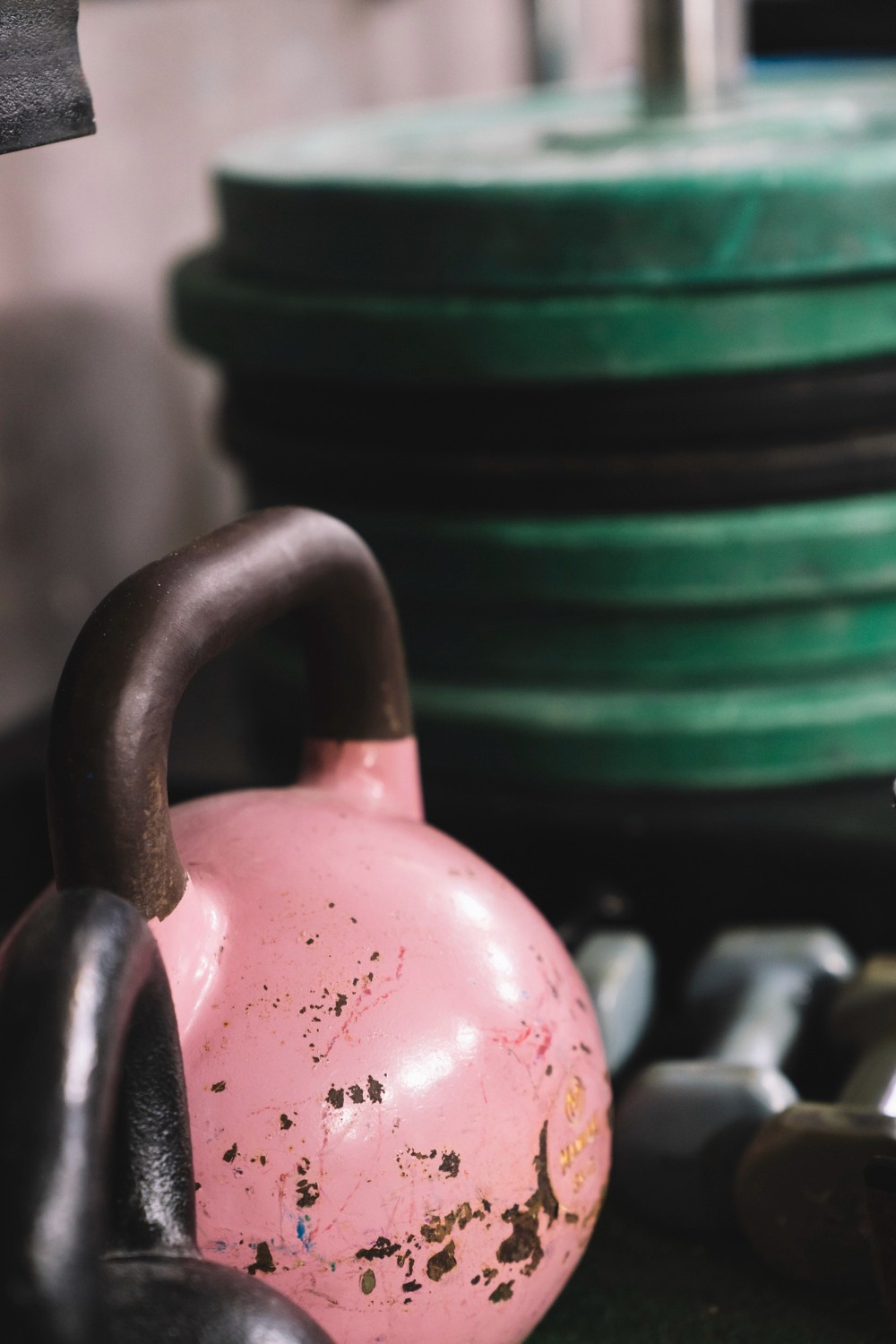
Exercise raises testosterone, reduces cortisol, releases endorphins, improves body confidence, and increases blood flow to the genitals. Both aerobic exercise (30 min, 4x/week) and resistance training show measurable improvements in female sexual function. Even a 20-minute walk raises testosterone and reduces cortisol. The effect is cumulative — consistent exercise over weeks is far more powerful than occasional intense sessions.Reduce chronic stress — actively, not passively
Stress management requires active intervention, not just 'trying to relax'. Mindfulness-based cognitive therapy (MBCT) has clinical evidence for improving sexual desire in women within 8 weeks. Daily breathwork (5 minutes of 4-7-8 breathing) measurably lowers cortisol. Journalling, therapy, delegating responsibilities, and setting boundaries are not luxuries — they are evidence-based libido interventions.Eat to support your hormones
A Mediterranean-style diet is the most evidence-backed nutritional framework for hormonal health. Prioritise: omega-3-rich foods (oily fish, flaxseed, walnuts) for inflammation and mood; zinc-rich foods (pumpkin seeds, beef, shellfish) for testosterone; magnesium-rich foods (dark leafy greens, dark chocolate, nuts) for cortisol regulation; and phytoestrogen foods (soy, flaxseed, legumes) during perimenopause. Minimise ultra-processed foods, sugar, and refined carbohydrates — all of which drive insulin resistance and hormonal disruption.Cut back on alcohol
Alcohol is one of the fastest ways to reduce libido over time, despite its short-term disinhibiting effect. Regular drinking raises cortisol, disrupts deep sleep, lowers testosterone, and impairs physical arousal and orgasm. Even one drink a day has documented effects on female sexual function. Reducing alcohol — or taking a break entirely — is one of the fastest natural libido improvers available.Invest in emotional and relational intimacy
For most women, desire is relational before it is physical. Research consistently shows that emotional safety, feeling desired, and honest communication with a partner are stronger predictors of female sexual desire than any supplement. Schedule connection time that is not about sex. Talk openly about what feels good. Consider couples therapy if communication has broken down — the evidence for its effectiveness on relational libido is as strong as any pharmaceutical.Review your medications with your doctor
SSRIs, SNRIs, hormonal contraceptives, and beta-blockers are among the most common libido suppressors. If a change in your sex drive coincided with starting a new medication, that conversation is worth having with your prescribing physician. Options often include adjusting the dose, switching to a formulation with fewer sexual side effects, or adding a targeted support. Never stop a prescribed medication without medical guidance.Address the hormonal root cause
If you are in perimenopause or menopause, the hormonal changes driving your low libido are real and physiological. Hormone therapy (estrogen, and in some cases testosterone) remains the most clinically effective medical intervention for perimenopausal libido decline. Phytoestrogen supplementation (including isoflavones) offers a non-prescription hormonal bridge. Your doctor can assess your hormone levels and guide the most appropriate approach for your situation.
Read more: Low sex drive in women — Mayo Clinic ↗